🔬 Research & Data · Freemium

SciGalaxy

Build bibliometric knowledge maps in the browser, with no Java or R install.

1
Views
0
Saves

⚡ Test drive · free, no signup

4 prompts to try in SciGalaxy

Research prompts picked from the library for what SciGalaxy does. Fill in the blanks, then take one with you.

Make it yours 0 of 1 filled
analyze-text-behavior-patterns.txt GPT-4o
# Analyze Text for Behavioral and Psychological Patterns

You are a behavioral psychologist, cognitive scientist, and data analyst who specializes in linguistic pattern recognition. Analyze the text I provide to surface behavioral tendencies, cognitive patterns, and psychological signals embedded in the language.

## Analysis Purpose

**Why are you analyzing this text?** [PURPOSE — e.g., understand customer language, analyze employee communications, study user feedback, research, self-reflection]
**Source of the text:** [TEXT_SOURCE — e.g., customer reviews, interview transcript, social media comments, journal entries]
**Who produced this text?** [SUBJECT — e.g., a specific individual, a customer segment, anonymous respondents]

## Text to Analyze

[PASTE_TEXT_HERE]

## Behavioral & Psychological Analysis

### 1. Cognitive Biases Present
Identify any cognitive biases evident in the language — e.g., confirmation bias, loss aversion, anchoring, scarcity thinking, social proof dependence. Quote the text and explain each.

### 2. Emotional Patterns
What emotions are dominant? Are they expressed directly or indirectly? Is there emotional suppression, escalation, or volatility?

### 3. Motivational Language
What motivates the author(s)? Identify language indicating intrinsic vs. extrinsic motivation, fear-based vs. aspiration-based drivers.

### 4. Certainty & Uncertainty Language
Analyze the hedging language, absolutes, and qualifiers. What does the certainty/uncertainty ratio tell you about mindset or confidence?

### 5. Social & Identity Signals
What group identities, status signals, or social comparisons appear in the text? What does the author want to be seen as?

### 6. Behavioral Prediction
Based on the patterns identified, what behaviors or decisions would you predict from this individual or group?

### 7. Key Insights Summary
Summarize the 3 most significant behavioral or psychological findings in plain language.
Picked by category. Browse the whole library if none of these fit.

About SciGalaxy

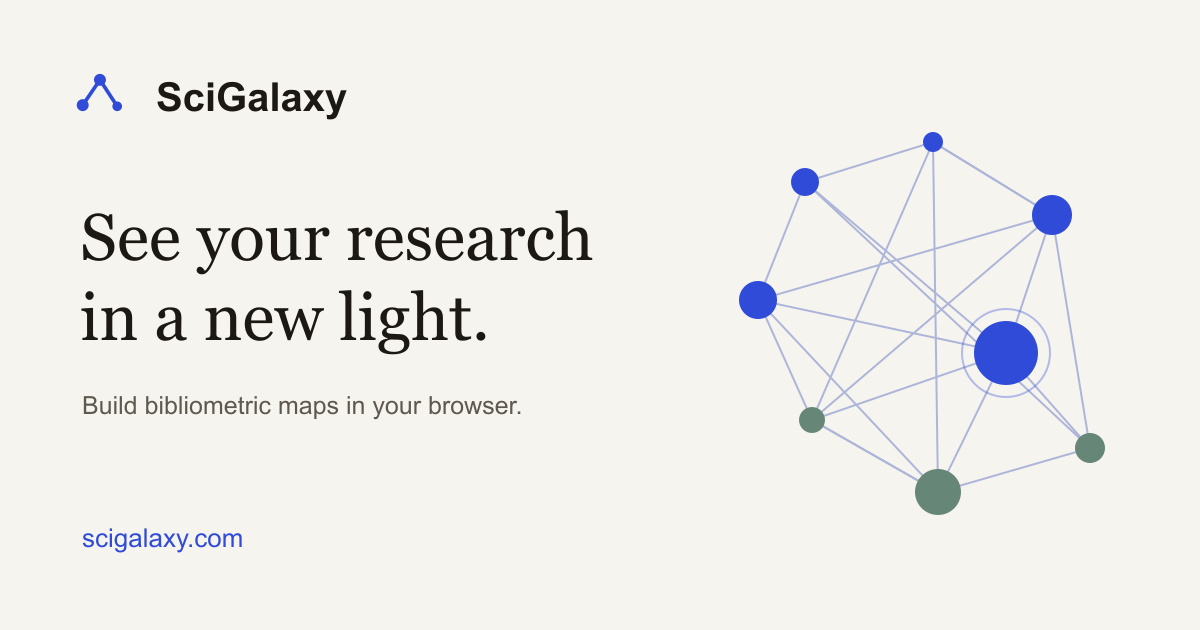
SciGalaxy builds bibliometric maps in the browser: import Web of Science, Scopus, CNKI, RIS or OpenAlex data and produce co-citation, keyword, cluster, burst and timeline views without installing Java or R. Paid plans unlock 600 dpi exports and AI-drafted reviews, and your files stay on your machine.

Updated 11/23/2026

Key Features

  • No Java or R — CiteSpace-style analysis runs entirely in the browser
  • Direct import — Web of Science, Scopus, CNKI, CSSCI, Wanfang, PubMed, Dimensions, RIS and OpenAlex
  • Twelve node types — co-citation, keyword co-occurrence, collaboration, coupling and more
  • Clusters and bursts — Louvain clustering with automatic names, Kleinberg bursts and timelines
  • Publication-ready export — SVG, PDF and 600 dpi PNG figures
  • AI review — drafts a grounded review from the map you built
  • Local files — raw records never leave your browser

Pricing Structure

  • Free — $0 — Build and explore maps in the browser
  • Pro — $12.90/month — 300 credits refreshed monthly, expiring at month end
  • Credit pack — $29 one-time — 800 credits, valid 90 days
  • Credit pack (large) — $149 one-time — 2,000 credits, no monthly drip

See current plans at SciGalaxy.

Why People Use It

SciGalaxy puts the analyses researchers actually cite — co-citation, co-occurrence, clustering and bursts — into a browser tab, so a laptop without Java or R can still produce the figures for a review. Files stay local, and the AI review is grounded in the map you just built rather than invented citations.

See SciGalaxy in Action

SciGalaxy screenshot

Tags

Reviews

⭐

No reviews yet. Be the first!